Researcher DeFiShaka highlights risk of YB liquid locker investment before secondary market exists for swapping $YB and $sdYB. Stake Dao's Hubirb reminds not to overlook the 'arbitrage opportunity to repeg'
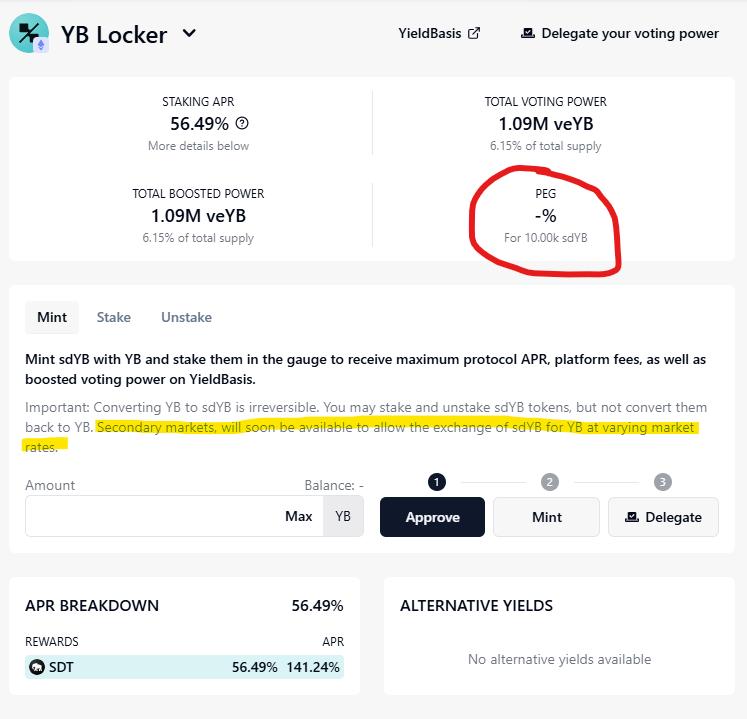
Researcher DeFiShaka highlights risk of YB liquid locker investment before secondary market exists for swapping $YB and $sdYB. Stake Dao's Hubirb reminds not to overlook the  'arbitrage opportunity to repeg'
𝕏/@defishaka
Revision history

13 recorded changes

Want your article here?

Promote with Leviathan News
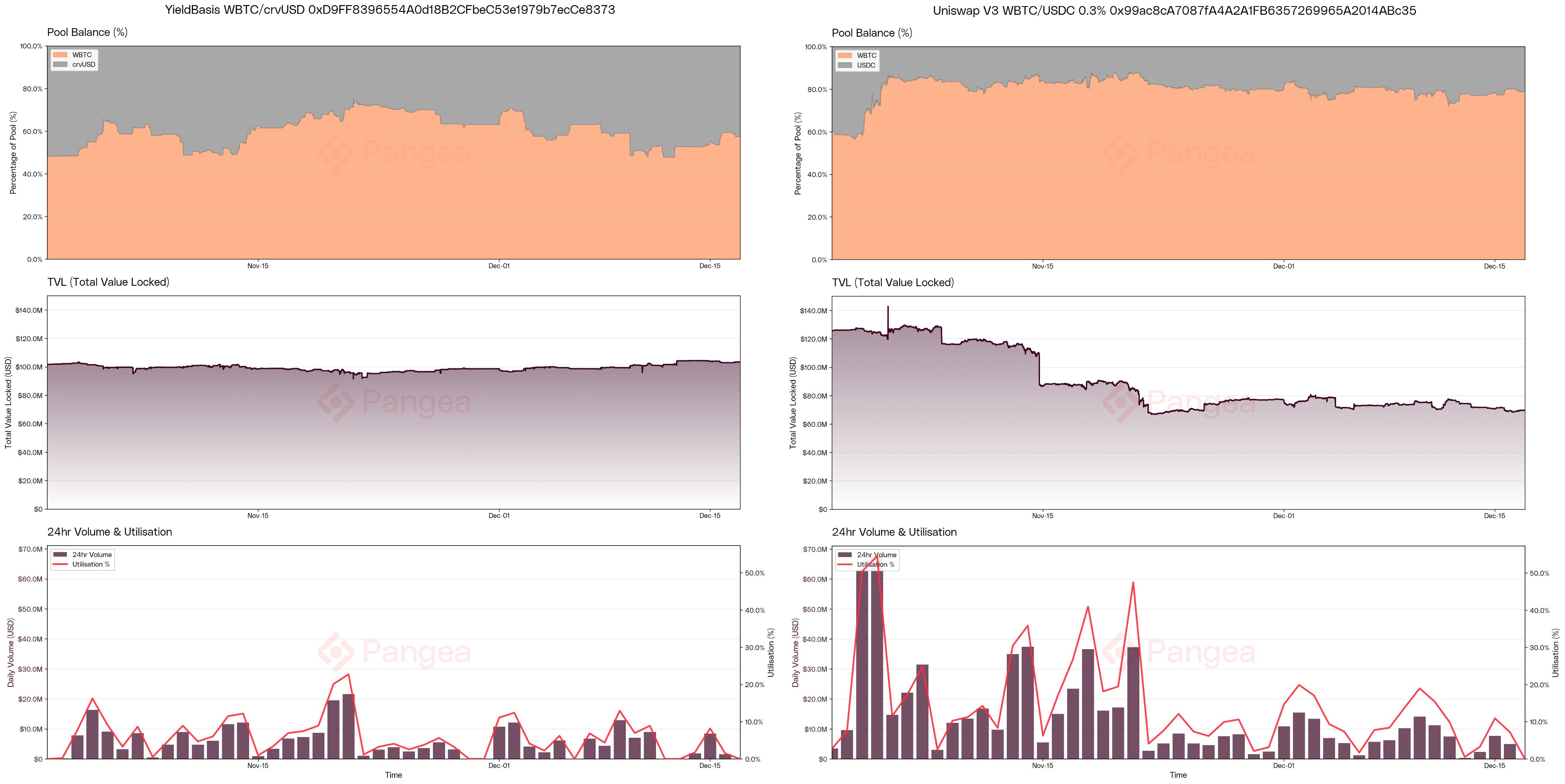
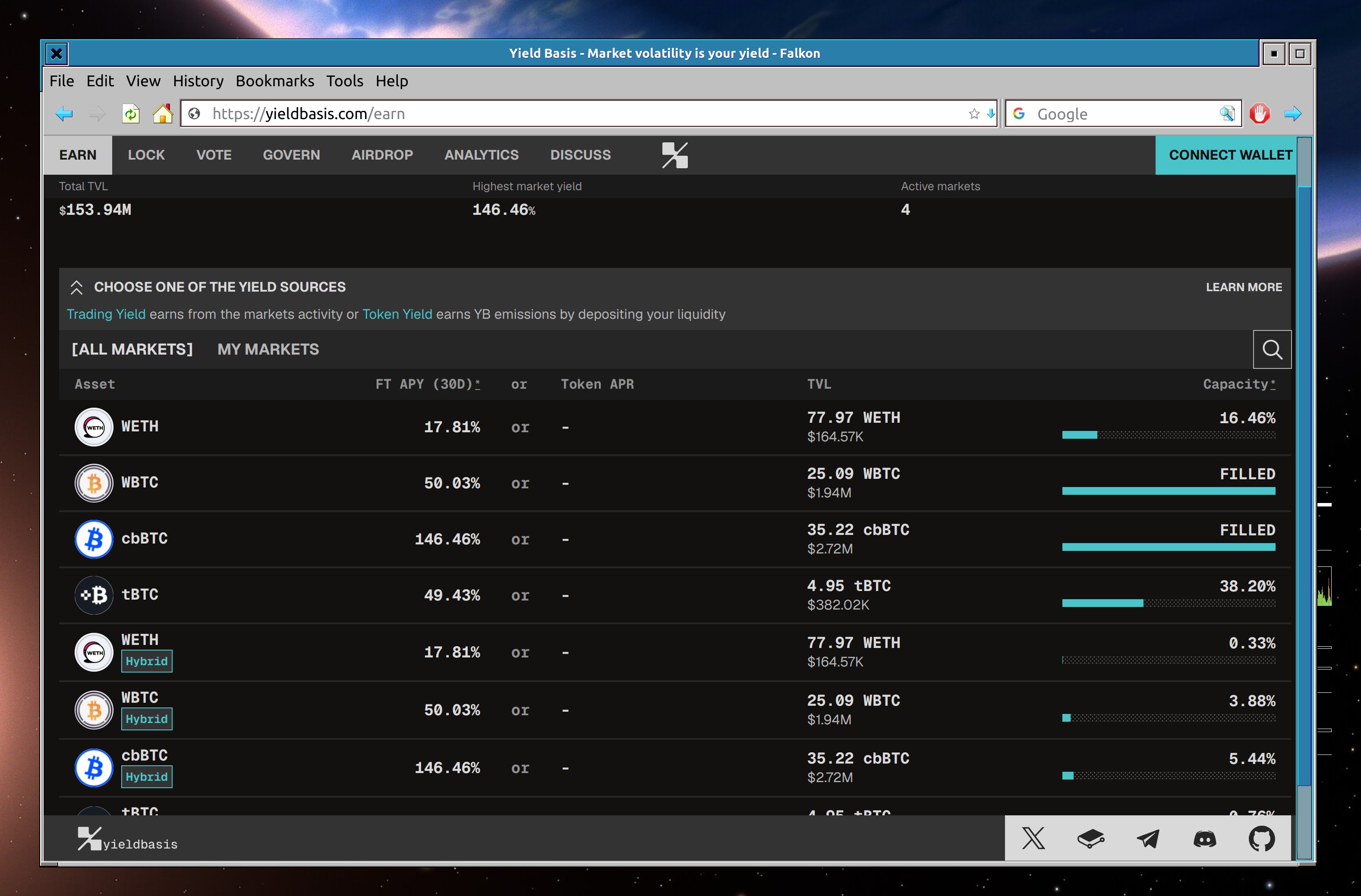
Researcher DeFiShaka used a post on X to highlight structural risk in the new YB liquid locker product, warning that users are effectively locking value into a system before a functioning secondary market exists for swapping between $YB and its staked derivative $sdYB. Without liquid markets or clear redemption pathways, investors face heightened liquidity risk—the possibility they cannot exit or reposition without significant loss if the peg between the two tokens breaks or if demand dries up. The discussion centers on a liquid locker configuration for YB (a yield‑bearing asset tied into the Yearn/Stake DAO ecosystem) where users deposit YB and receive sdYB, designed to be the liquid, yield‑accruing representation. DeFiShaka’s concern is that, at launch, sdYB has no established trading pairs or deep liquidity on secondary markets, so its “liquid” status is theoretical rather than practical. In such a setup, early participants are exposed to price dislocations between YB and sdYB, with limited tools to hedge or exit—an example of classic illiquidity risk in DeFi wrappers and lockers. In response, Stake DAO contributor Hubirb argued that this risk analysis is incomplete if it ignores the “arbitrage opportunity to repeg”—the idea that if sdYB trades at a discount to YB, arbitrageurs can buy the cheaper asset and use protocol mechanics (locking, redeeming, or rebalancing flows) to push prices back toward parity and capture profit. This back‑and‑forth reflects a broader DeFi trade‑off: complex yield strategies and derivative wrappers can increase returns and create arbitrage incentives, but they also introduce additional smart‑contract and liquidity risks, especially in the period before robust secondary markets and arbitrage loops are fully established.

AI-generated background, compiled from web sources — not editorial content.

More coverage

Explore the topic

More on Yield Basis

Comments