Vitalik maps Ethereum scaling path from Glamsterdam multidimensional gas and ePBS to ZK-EVM multi-proof validation and 8 MB/sec blobs
𝕏/@VitalikButerin •
Revision history
5 recorded changes
Want your article here?
Promote with Leviathan News5 recorded changes
Want your article here?
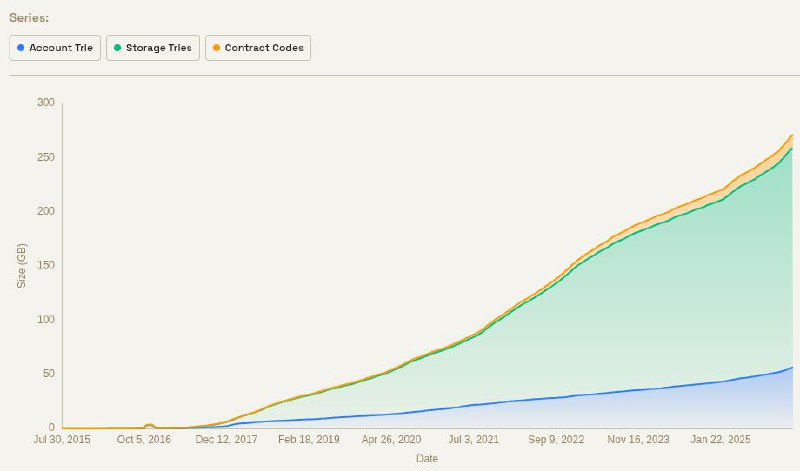
Promote with Leviathan NewsVitalik Buterin has published a new, consolidated roadmap for Ethereum’s scaling, splitting it into a near‑term phase centered on the upcoming Glamsterdam upgrade and a longer‑term phase that relies on ZK‑EVM proofs and much higher blob data throughput. In the short term, Buterin’s post describes how the Glamsterdam hard fork will introduce block‑level access lists, enshrined proposer‑builder separation (ePBS), and gas repricing to make block validation more parallel and predictable. A key change is the start of multidimensional gas, where “state creation” costs (such as creating new contracts or storage) are priced separately from normal execution gas so execution capacity can grow without allowing unbounded state bloat. These features are intended to let Ethereum safely raise gas limits and throughput while keeping validation feasible for regular validators. Longer‑term, Buterin frames scaling around data blobs and ZK‑EVM‑based validation. Ethereum will iterate on PeerDAS (peer‑to‑peer data availability sampling) to increase blob bandwidth, with a stated goal of roughly 8 MB/second of blob data availability, enabling rollups and execution data to live in blobs without every node downloading all data. In parallel, the network is expected to adopt ZK‑EVM clients gradually starting around 2026, initially for a small share of validators and expanding through 2027 so more nodes can validate blocks via succinct proofs instead of full re‑execution. The roadmap culminates in a mandatory multi‑proof scheme – for example, a “3‑of‑5” model where multiple independent ZK‑EVM implementations each provide proofs per block – which would let most nodes verify correctness with high security guarantees and support substantially higher gas limits and throughput without centralizing hardware requirements.
AI-generated background, compiled from web sources — not editorial content.

𝕏/@LayerZero_Core ·
𝕏/@Base_EUR ·
diadata.org ·

Projecteleven ·
ethresear.ch ·

blog.monad.xyz ·
𝕏/@LayerZero_Core ·
𝕏/@Base_EUR ·
diadata.org ·
Projecteleven ·
ethresear.ch ·
blog.monad.xyz ·
🚀 Love DeFi? Ready to dive in and start earning $SQUID while making an impact?