◧ Every topic explained
Evergreen deep-dives on the people, protocols, tokens, and ideas behind every headline — from Bitcoin to the newest DeFi mechanism, each written to orient an operator and a newcomer alike.
Leviathan News / The Atlas
Every topic in crypto, mapped and explained — and wired to the news as it breaks.
📖 New here? Read the launch story →🏆 Atlas Leaderboard →
Deep explainer on crypto apps: how exchange, wallet, DeFi, gaming, AI and “superapps” front-end onchain finance, balance custody and UX, rely on banks and stablecoins, and face growing security and regulatory pressures.

Explains how zero-knowledge cryptography powers privacy, compliance and scaling in crypto, covering proofs, zk-SNARK/STARK trade-offs, stablecoins, proof-of-reserves and major ecosystems like Ethereum, XRP, Solana and Polygon.

In‑depth explainer of DTCC’s role in Wall Street markets and its push into tokenization, Canton, Chainlink, and Stellar, outlining how DTC‑custodied securities and collateral are moving onchain and what it means for crypto and DeFi.
DefiLlama is DeFi's leading open-source analytics aggregator, tracking TVL, fees, stablecoins, and yields across hundreds of chains — expanding in 2026 with LlamaAI, a Python SDK, and private-market data via the Bulletin acquisition.
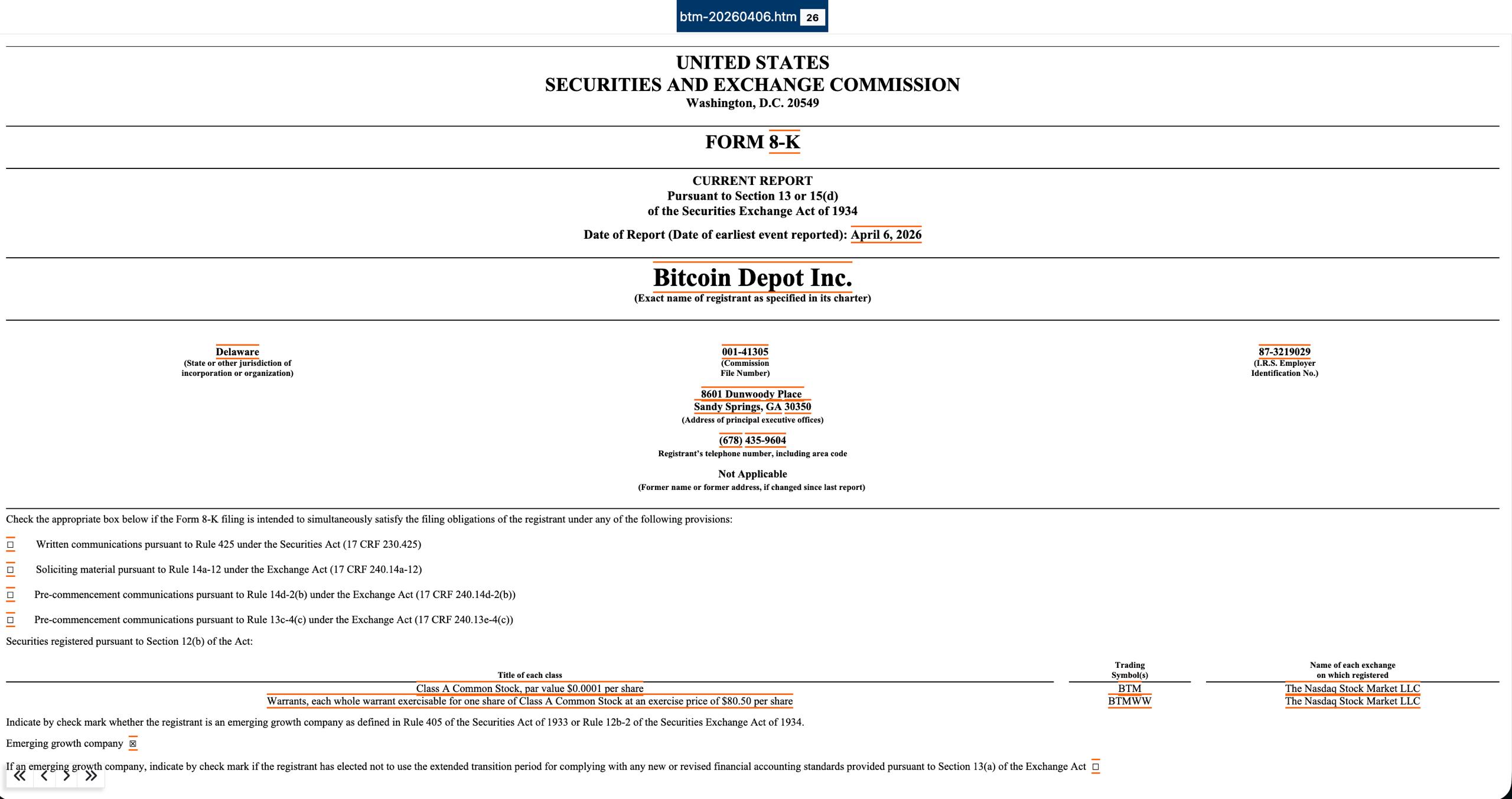
Bitcoin is a decentralized digital asset capped at 21 million coins, now held by ETFs, corporations like Strategy, and sovereign states — navigating record ETF outflows, rising on-chain activity, and growing institutional infrastructure in 2026.
Deep dive explainer on crypto wallets: how keys, custody and wallet types work; DeFi and tokenized asset use; security risks from malware and approvals; and how MPC, account abstraction and AI‑ready wallet infrastructure are reshaping Web3.
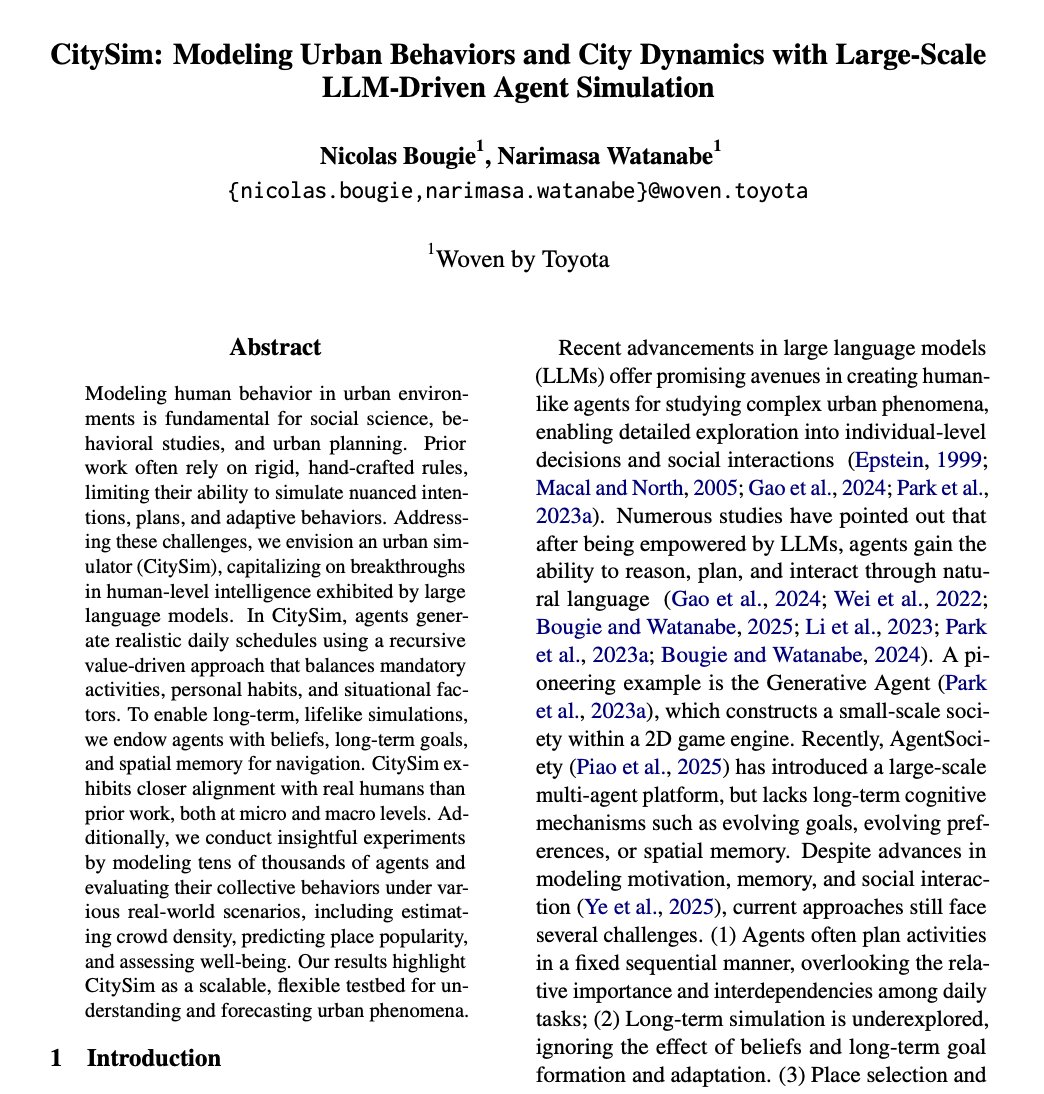
In-depth explainer on AI agents in crypto: how autonomous software gets wallets, onchain identity and payment rails; key use cases in trading, travel and commerce; plus security, compliance and infrastructure shaping the agentic economy.

Arc is Circle’s stablecoin‑native L1 built around USDC gas, fast finality, built‑in FX, and post‑quantum security, backed by a $222M ARC token raise and early partners like Aave, Aerodrome, and Visa as it targets institutional onchain payments and capital markets.
Territories that route into Stablecoins. Search within this inbound mesh or clear the filter to return to the full map.
130 territories · page 1 of 5 · clear inbound routeDon't see your protocol? Request a map →
In-depth explainer on AI agents in crypto: how autonomous software gets wallets, onchain identity and payment rails; key use cases in trading, travel and commerce; plus security, compliance and infrastructure shaping the agentic economy.
Arc is Circle’s stablecoin‑native L1 built around USDC gas, fast finality, built‑in FX, and post‑quantum security, backed by a $222M ARC token raise and early partners like Aave, Aerodrome, and Visa as it targets institutional onchain payments and capital markets.
Deep explainer on DAI, MakerDAO’s original overcollateralized dollar stablecoin, covering how it works, its Sky/USDS migration, collateral and risk, DeFi and CeFi use, and how it compares to USDC, USDT, USDe and other rivals.
Curve Finance is DeFi's leading stablecoin DEX, built on the StableSwap invariant. This explainer covers crvUSD, LLAMMA soft liquidations, LlamaLend v2, YieldBasis, veCRV governance, and the protocol's 2026 expansion.
Comprehensive explainer on “ledger” in crypto, covering Ledger hardware wallets, public blockchains like the XRP Ledger, security practices, tokenized assets, AI-driven payments, and how users safely interact with Bitcoin, XRP, stablecoins and DeFi.
Deep explainer on crypto infrastructure: settlement layers, data and custody rails, stablecoin and tokenization stacks, AI-agent tooling, and institutional-grade compliance and payments systems reshaping onchain markets.
In-depth blockchain explainer for crypto readers, covering fundamentals, stablecoins and USDC, tokenization, DeFi, AI agents, regulation, security, and institutional adoption to help you make sense of the onchain financial system’s next decade.
Explains how crypto regulation works across the US, EU, UK and emerging markets, with deep dives on stablecoins, AML/KYC, securities law and DeFi, plus how evolving rules reshape exchanges, neobanks and tokenised asset markets.
In-depth explainer on Polymarket, the USDC-based crypto prediction market: how its yes/no event contracts work, where it fits alongside Kalshi and Schwab’s binary options, and why regulators from the CFTC to Kentucky are circling the fast-growing sector.
Crypto yield — earned via staking, lending, stablecoins, or structured strategies — is maturing from token-emission subsidies toward real economic return, with new products, cross-chain infrastructure, and tightening regulation reshaping the landscape in 2025.
Prediction markets let traders buy contracts tied to future outcomes, functioning as real-money probability aggregators. From Polymarket's election boom to Schwab's S&P 500 wagers, the sector is exploding—amid regulatory battles over sports betting, CFTC jurisdiction, and oracle infrastructure gaps.
SBI Holdings is Japan's most aggressive financial incumbent in crypto—building investment trusts, XRP and stablecoin rails, and consolidating exchanges as Japan reclassifies digital assets. Here's what SBI is building and why it matters.
CRV is Curve Finance's governance and incentive token, using vote-escrowed locking, gauge weight voting, and expanding into crvUSD stablecoin and LlamaLend to anchor one of DeFi's largest AMM ecosystems.
Explainer on the U.S. CLARITY Act, the sweeping digital asset market‑structure bill that defines crypto asset classes, splits SEC–CFTC oversight, sets stablecoin yield limits, and protects non‑custodial developers and self‑custody.
In crypto, “threat” spans malware, state-backed hacks, AI and quantum risks, as well as regulatory and systemic pressures on Bitcoin and stablecoins. This explainer defines threats, shows how they shape digital asset security, and outlines emerging defenses and migration plans.
Comprehensive explainer on crypto liquidity, covering order books, AMMs, stablecoins, DeFi pools, tokenized assets, AI agents and market structure, with practical insights for traders, LPs and analysts.
How crypto, stablecoins, AI agents, and neobanks are reshaping traditional banking infrastructure — covering regulation, payments, systemic risk, and the global policy divide.
Deep dive explainer on digital assets, covering definitions, blockchains, major asset types, market structure, institutional adoption, regulation, risks, and long-term outlook for crypto, stablecoins, tokenization, and Bitcoin.
In-depth explainer on Coinbase’s role as a public crypto platform, covering its exchange, derivatives, Base L2, USDC and stablecoin strategy, AI advisors and agents, regulation, tokenization and what users should know about risks and opportunities.
crvUSD is Curve Finance's crypto-collateralized stablecoin using the LLAMMA soft-liquidation AMM, PegKeepers, scrvUSD savings yield, LlamaLend, and FastBridge to build a full-stack DeFi credit layer on Ethereum and L2s.
How the Bank for International Settlements shapes crypto policy—its stablecoin skepticism, shadow-bank warnings, CBDC research, and tokenization projects Agorá and Rialto modernizing cross-border payments with central bank money.
Regulated stablecoins operate under government-mandated reserve, redemption, and licensing rules. This explainer covers global frameworks (GENIUS Act, MiCA, Asia), key issuers like Circle and Tether, payment adoption, and compliance challenges.
In‑depth explainer on Ondo Finance, covering its tokenized Treasuries and money market funds, Ondo Global Markets for stocks/ETFs, Ondo Chain RWA infrastructure, key partnerships, risks, and how it bridges TradFi and DeFi.
USDT (Tether) is the world's largest stablecoin by market cap, pegged 1:1 to the US dollar and used as the primary trading and settlement currency across crypto exchanges and DeFi protocols globally.
Deep explainer on Tether’s evolution from USDT stablecoin issuer to multi‑vertical crypto conglomerate, covering reserves, USAT, XAUt, aUSDT wind‑down, DeFi uses, regulatory risks, mining, AI robotics and tokenization outlook.
In‑depth explainer on Prisma Finance, the LST‑backed stablecoin protocol behind mkUSD and ULTRA. Covers architecture, Curve/Yearn integrations, the 2024 exploit, governance, Resupply transition, and key LSDFi lessons.
BOLD is Liquity V2's decentralized, ETH-backed stablecoin with user-set borrowing rates. Learn how it works, how it earns 7-10% yield via stability pools and yBOLD, its A- rating, risks, and market position.
Explainer on how “raises” is used in crypto news—from funding rounds and rate hikes to risk warnings—illustrating its impact on Bitcoin, stablecoins like USDC, DeFi, AI tools and institutional tokenization.
Crypto bounties reward task completion across bug hunting, fund recovery, and ecosystem building — this explainer covers how each type works, how to evaluate programs, and where the model breaks down.
Ethena is a synthetic dollar protocol issuing USDe, a delta‑neutral, yield‑bearing crypto dollar now embedded across Ethereum, Solana and beyond via sUSDe, ENA governance and RWA partnerships with firms like Coinbase and Janus Henderson.
Evergreen deep-dives on the people, protocols, tokens, and ideas behind every headline — from Bitcoin to the newest DeFi mechanism, each written to orient an operator and a newcomer alike.
Each territory connects to the freshest coverage as it breaks. Reader-click data surfaces the stories that actually landed — no black-box algorithm, no engagement bait.
Powered by $SQUID. Contributors submit stories, tip what matters, and refine the territory maps. Top contributors are recognized in the monthly $SQUID drop.